
Poor Sleep & Insomnia in Nigeria: Why You Can't Sleep and What to Do About It
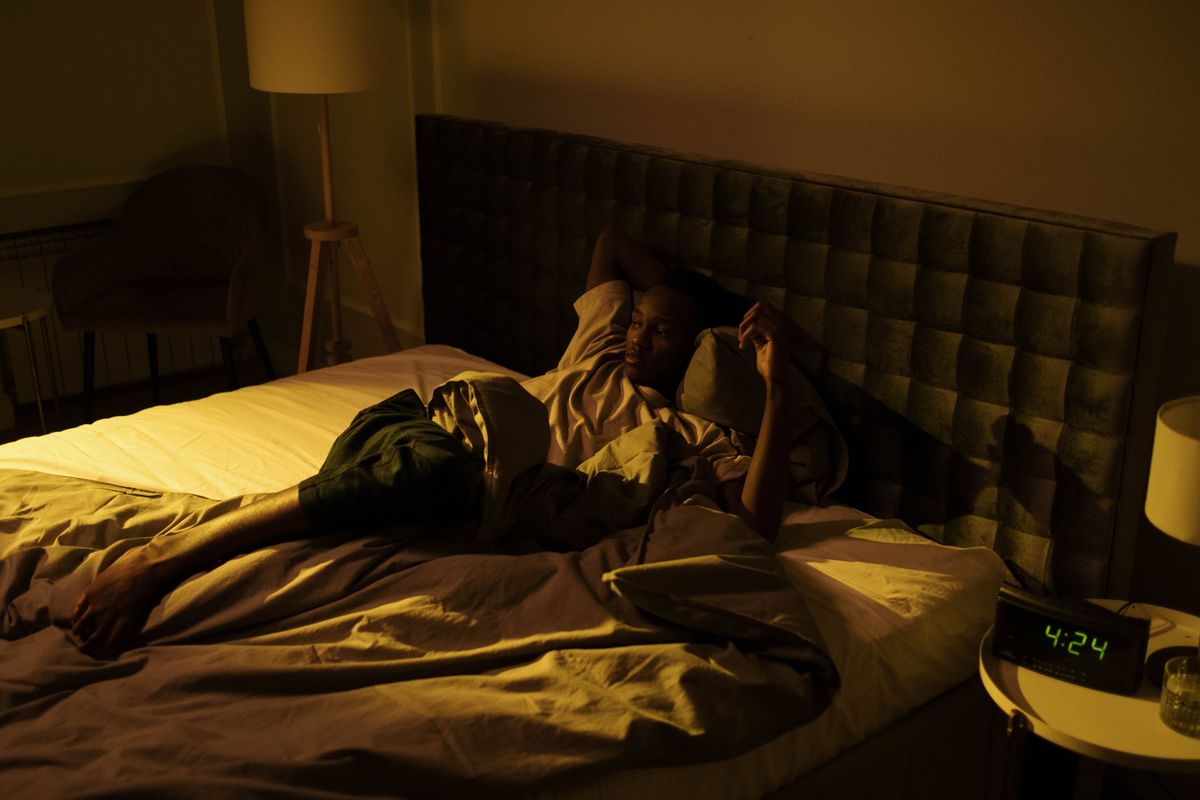
You lie down exhausted, but sleep refuses to come. Your mind races. You check the time — 2am, 3am — and by morning you are dragging yourself out of bed feeling worse than when you lay down. If this sounds familiar, you are not alone. Insomnia and poor sleep quality are among the most widespread yet most underestimated health problems in Nigeria today.
Most Nigerians treat sleep as a luxury — something to be sacrificed in pursuit of hustle and productivity. But the science is unambiguous: consistently poor sleep is not just uncomfortable, it is dangerous. It accelerates ageing, destroys mental clarity, weakens the immune system, and dramatically raises the risk of hypertension, diabetes, and heart disease.
How Common Is Insomnia in Nigeria?
Studies conducted across Nigerian cities estimate that 30–40% of Nigerian adults experience some form of sleep disorder, with insomnia being the most prevalent. Yet very few people seek help for it — partly because sleep problems are normalised ("e be things"), and partly because dedicated sleep health services are rare in Nigerian healthcare settings.
The consequences compound quietly. A person who sleeps poorly for years accumulates cognitive decline, hormonal disruption, cardiovascular strain, and impaired immune function — often attributing their declining health to other causes while the root problem goes unaddressed.
What Exactly Is Insomnia?
Insomnia is not simply "not being able to sleep." It covers several distinct but related problems:
- Sleep onset insomnia — difficulty falling asleep even when tired. Lying awake for 30 minutes or more after going to bed.
- Sleep maintenance insomnia — waking frequently during the night and struggling to return to sleep.
- Early morning waking — waking several hours before the alarm, unable to go back to sleep, and feeling unrested.
- Non-restorative sleep — sleeping for 7–8 hours but waking feeling exhausted, foggy, or emotionally flat — indicating poor sleep quality even if duration looks adequate.
- Chronic insomnia — sleep difficulties occurring at least three nights per week for three months or longer.
Why Are So Many Nigerians Struggling to Sleep?
Several factors have converged to create a sleep crisis in Nigerian urban and peri-urban areas:
- Chronic financial stress and anxiety — economic pressure keeps the stress hormone cortisol elevated. High cortisol suppresses melatonin (the sleep hormone) and keeps the brain in a state of alertness that prevents deep sleep. Many Nigerians go to bed worrying about money, security, and family obligations.
- Smartphone and social media use at night — blue light from phone screens suppresses melatonin production by up to 50%. Scrolling through social media, watching videos, or responding to messages until midnight or later fundamentally disrupts the brain's signal to sleep. This is one of the fastest-growing contributors to insomnia in Nigeria.
- Caffeine overuse — strong tea, Nescafé, energy drinks, and kola nuts are consumed throughout the day and often in the evenings. Caffeine has a half-life of 5–7 hours, meaning a cup of coffee at 4pm still has half its caffeine in your bloodstream at 9pm or 10pm — directly interfering with sleep onset.
- Irregular sleep schedules — sleeping at 10pm one night and 2am the next confuses the body's internal clock (circadian rhythm). The circadian rhythm thrives on consistency. Irregular schedules prevent the brain from fully committing to sleep at any given time.
- Hot sleeping environments — the body needs to cool down by 1–2°C to initiate sleep. Nigeria's consistently high temperatures, combined with frequent power outages eliminating air conditioning or fans, can make deep sleep physiologically difficult during certain seasons.
- Underlying health conditions — hypertension, diabetes, chronic pain, enlarged prostate (causing frequent nighttime urination), and acid reflux all disrupt sleep. Treating the primary condition often improves sleep significantly.
- Anxiety and depression — mental health is still widely stigmatised in Nigeria, meaning many people with clinical anxiety or depression never receive treatment. Both conditions severely impair sleep architecture — particularly suppressing deep slow-wave sleep and REM sleep, which are essential for emotional processing and memory consolidation.
- Noisy environments — generators, neighbourhood noise, road traffic, and music from nearby businesses are constant companions for many urban Nigerians and can prevent the quiet that sleep requires.
What Happens to Your Body When You Don't Sleep Enough
Poor sleep is not just inconvenient — it has measurable, cumulative damage to virtually every system in the body:
- Brain and cognition — sleep is when the brain clears metabolic waste products through the glymphatic system. Chronically poor sleep allows these waste products to accumulate, and research links this to increased long-term risk of Alzheimer's disease and other dementias. Short-term effects include impaired concentration, poor memory, slower reaction time, and reduced decision-making ability.
- Immune system — during sleep, the immune system produces cytokines and antibodies needed to fight infection. People who sleep fewer than 6 hours are 4 times more likely to catch a cold when exposed to the virus, compared to those sleeping 7 hours or more.
- Cardiovascular system — sleeping fewer than 6 hours is associated with a 48% increased risk of developing or dying from heart disease, and a 15% increased risk of stroke. Blood pressure naturally drops during deep sleep — chronic insomnia prevents this dip, keeping the heart under sustained strain.
- Blood sugar and metabolism — even one week of poor sleep significantly impairs insulin sensitivity, mimicking the early stages of type 2 diabetes. Sleep deprivation also elevates ghrelin (hunger hormone) and suppresses leptin (fullness hormone), driving overeating and weight gain.
- Mental health — poor sleep and depression have a bidirectional relationship. Poor sleep worsens depression and anxiety, and depression worsens sleep — creating a cycle that is difficult to break without addressing both simultaneously.
- Hormonal disruption — testosterone, growth hormone, cortisol, and thyroid hormone are all regulated during sleep. Men who sleep fewer than 5 hours have testosterone levels equivalent to men 10–15 years older.
How GHT Drimease Capsule Supports Healthy Sleep and Brain Function
GHT Drimease Capsule is a herbal brain and sleep support supplement from GHT Healthcare, formulated to help restore natural sleep patterns and support cognitive function. Unlike pharmaceutical sleeping pills that sedate the brain, Drimease works by supporting the brain's own neurochemistry — helping the mind ease into natural, restorative sleep.
Key areas Drimease Capsule supports:
- Promotes natural sleep onset — helps calm an overactive mind and reduce the time it takes to fall asleep
- Supports sleep quality and depth — promotes deeper, more restorative sleep stages rather than light, fragmented sleep
- Reduces nighttime waking — supports the brain's ability to maintain continuous sleep through the night
- Supports brain health and cognitive clarity — nourishes brain cells and supports the neural pathways involved in memory, focus, and mental processing
- Helps manage stress-related sleeplessness — supports the nervous system in downregulating from a state of stress or hyperarousal into restful calm
- Non-habit-forming — as a herbal supplement, Drimease supports natural sleep without the dependency risk associated with prescription sedatives
Dosage: Follow the directions on the product pack. For men who want to address both sleep and overall vitality, Drimease is often taken alongside GHT Vigor Max for comprehensive men's health support.
Sleep Better. Think Clearer. Feel Stronger.
GHT Drimease Capsule supports deep, natural sleep and brain health. Order today — nationwide delivery across Nigeria with pay-on-delivery available.
View Drimease Capsule →Practical Sleep Hygiene Tips for Nigerians
Good sleep hygiene — the habits and environment around your sleep — makes a substantial difference, even before any supplement is considered:
- Set a consistent sleep and wake time — go to bed and wake up at the same time every day, including weekends. This anchors your circadian rhythm and makes sleep onset dramatically easier over time.
- Stop screens 60 minutes before bed — put your phone down, switch off the TV, and allow your brain to wind down naturally. If you must use your phone, enable "night mode" or use blue-light-blocking glasses.
- Cut caffeine after 2pm — this single change improves sleep quality for many people within days. Switch to water, herbal teas, or warm milk in the afternoon and evening.
- Make your bedroom as cool and dark as possible — use a fan, keep windows open at night when safe, and use blackout curtains or an eye mask if you must sleep during daylight hours (shift workers).
- Avoid heavy meals within 2 hours of bed — digesting a large meal keeps the body metabolically active and raises core body temperature, both of which impair sleep onset.
- Create a wind-down routine — 30–45 minutes of low-stimulation activity before bed signals to your brain that sleep is coming. Reading (physical book), light stretching, prayer, or calm conversation all work well.
- Deal with anxiety directly — write down tomorrow's to-do list before bed to "offload" worries from your active mind. If anxiety is severe or persistent, consider speaking with a mental health professional.
- Limit alcohol — alcohol may help you fall asleep initially but severely fragments sleep in the second half of the night, reducing REM sleep and leaving you tired and foggy in the morning.
Frequently Asked Questions
What causes insomnia in Nigeria?
Common causes of insomnia in Nigeria include chronic stress and financial pressure, excessive smartphone and social media use late at night, caffeine overuse (strong tea, coffee, energy drinks), erratic sleep schedules, hot sleeping environments without ventilation, underlying health conditions such as hypertension, diabetes, and chronic pain, and anxiety or depression. Addressing lifestyle triggers is the first step — supplements like GHT Drimease Capsule can support the brain's natural sleep chemistry alongside lifestyle changes.
How many hours of sleep do adults need?
Adults aged 18–64 need 7–9 hours of quality sleep per night, according to the National Sleep Foundation. Adults over 65 need 7–8 hours. Consistently sleeping fewer than 6 hours is associated with increased risk of hypertension, diabetes, weight gain, memory problems, and a weakened immune system. Quality matters as much as quantity — fragmented, restless sleep that leaves you tired in the morning is not true rest even if hours look adequate.
Is it normal to have trouble sleeping occasionally?
Occasional sleeplessness — one or two nights before a big event or during a stressful period — is normal and usually resolves on its own. Insomnia becomes a clinical concern when sleep difficulties occur three or more nights per week for at least three months, or when poor sleep significantly impairs your daytime functioning. If you are waking up exhausted most mornings, struggling to concentrate, or relying on caffeine to stay alert, it is time to take sleep health seriously.
Can I take GHT Drimease Capsule every night?
GHT Drimease Capsule is a herbal supplement formulated to support natural sleep cycles and brain relaxation. It is generally intended for regular nightly use as part of a sleep health routine. Unlike prescription sleeping pills, herbal sleep supplements do not carry the same risk of chemical dependency. However, always follow the dosage instructions on the pack, and consult a healthcare professional if you have an existing medical condition or are taking other medications.
Where can I buy GHT Drimease Capsule in Nigeria?
Order GHT Drimease Capsule from our website at ghthealthcare.co or via WhatsApp on +234 902 296 7911. We deliver nationwide including Lagos, Abuja, Port Harcourt, Kano, Ibadan, Enugu, and all 36 states — with pay-on-delivery available.