
Skin Problems in Nigeria: Why Acne, Dark Spots, and Fungal Infections Are So Common — and How GHT Skin Care Soap Clears and Protects Your Skin
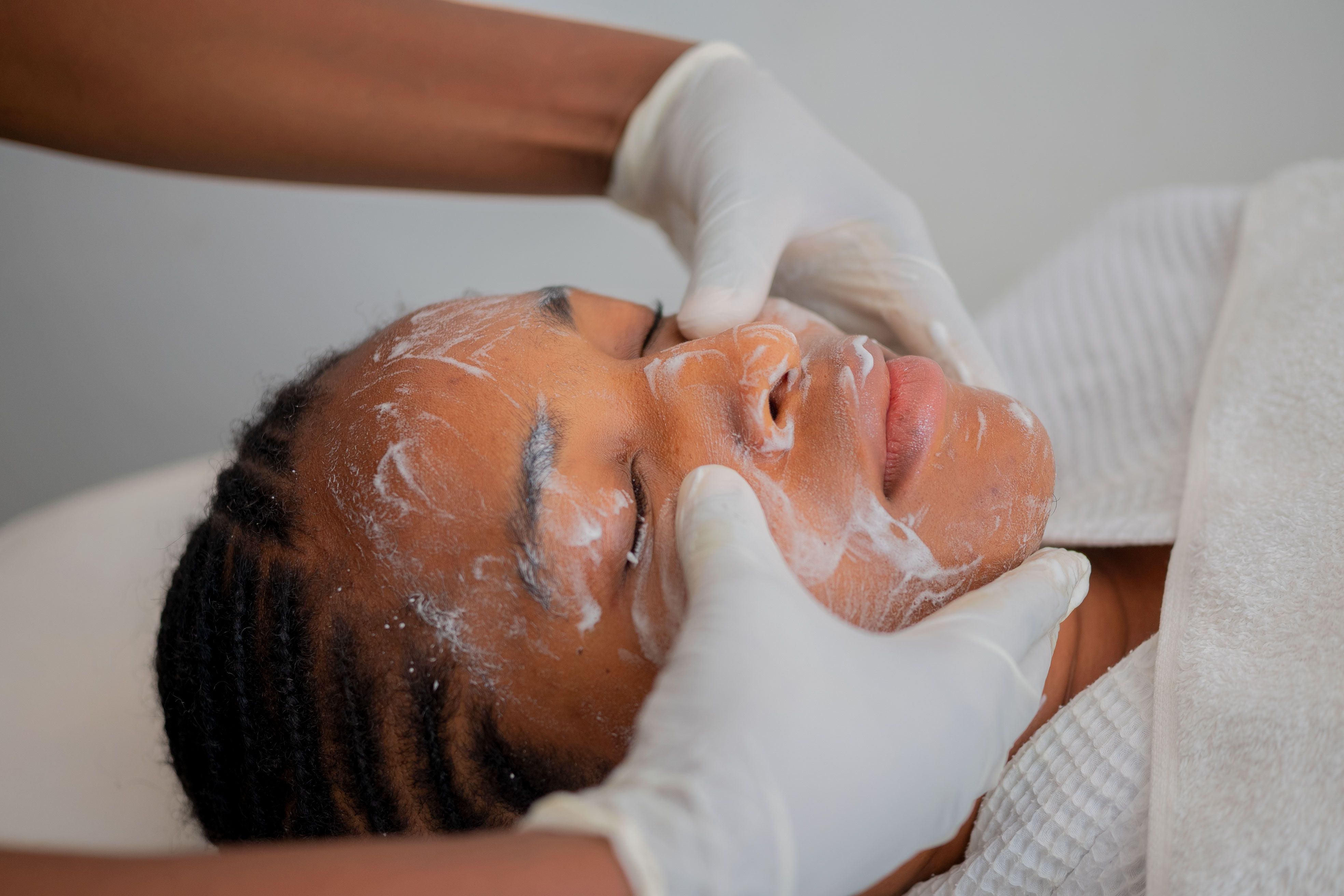
Your skin is Nigeria's most visible health battleground. The combination of intense tropical heat, high humidity, polluted urban air, hard water, stress, and the widespread use of harsh and often unregulated skin products creates an environment in which skin problems are close to universal among Nigerian adults.
Walk through any Nigerian market and you will find entire aisles dedicated to skin creams, bleaching soaps, "glow" treatments, and "spot correctors" — many of them unregulated, many of them containing chemicals (mercury, high-concentration hydroquinone, illicitly strong topical steroids) that cause the very skin problems they promise to cure. The skin problems industry in Nigeria generates billions of naira annually, driven largely by insecurity about the very real skin conditions that Nigeria's environment produces.
This article explains the actual causes of Nigeria's most common skin problems — acne, dark spots (post-inflammatory hyperpigmentation), and fungal skin infections — and how GHT Skin Care Soap addresses them safely, without the health risks of the bleaching products that dominate the market.
Understanding Nigerian Skin: A Unique Challenge
Darker skin tones (Fitzpatrick types V and VI, which include most Nigerians) have several biological differences from lighter skin tones that affect how skin problems present and respond to treatment:
- Higher melanocyte activity: Melanocytes (the cells that produce melanin, the skin's pigment) are more numerous and more reactive in darker skin. Any skin injury, inflammation, or irritation — from acne, a scratch, a rash, even aggressive washing — triggers an intense melanin response that leaves a dark mark (post-inflammatory hyperpigmentation, or PIH) that can take 3–24 months to fade naturally.
- Greater sebaceous gland activity: Many Nigerians have oilier skin due to higher sebaceous gland activity combined with Nigeria's tropical climate — a combination that creates an ideal environment for the acne bacteria Cutibacterium acnes.
- Higher risk from aggressive treatment: The same inflammation-hyperpigmentation cycle means that aggressive acne treatments (strong acids, abrasive scrubs, high-concentration retinoids) can worsen the dark spots they are trying to correct by causing more skin irritation. Gentle, consistent treatment is always more effective for darker skin than aggressive approaches.
Acne in Nigeria: The Perfect Storm
Acne is the most common skin condition worldwide, and Nigeria provides optimal conditions for it:
- Heat and humidity increase sebum production and promote bacterial growth in pores
- Sweating mixes with skin oil and environmental pollutants to clog follicles
- Occlusive products — petroleum jelly, thick body creams, unregulated skin products — seal oil and bacteria inside pores
- Hormonal factors — stress (see our article on stress and cortisol) elevates androgens, which directly stimulate sebum production
- Diet — high-glycaemic diets (white rice, white bread, soft drinks, sugary snacks) raise insulin and insulin-like growth factor (IGF-1), both of which increase acne severity
- Hard water — the high mineral content of piped water in many Nigerian cities leaves a film on skin that alters its natural pH and can worsen clogged pores
Dark Spots and Uneven Skin Tone: The Aftermath of Inflammation
For most Nigerians, the most distressing skin consequence is not the acne or rash itself — it is the dark spot it leaves behind. Post-inflammatory hyperpigmentation (PIH) occurs when melanocytes respond to any skin inflammation by producing excess melanin as a protective response. In darker skin, this response is stronger and more persistent.
PIH can be triggered by acne breakouts, insect bites, cuts and scrapes, skin rashes, contact dermatitis (allergic reactions to fabrics, jewellery, or products), and even aggressive shaving. The dark spots that result are cosmetically distressing but medically harmless — and they fade over time with proper skin care, sun protection, and targeted treatment.
The dangerous path — widely taken in Nigeria — is to use mercury-containing creams or high-dose hydroquinone products to speed this fading. These compounds carry real toxicity risks (kidney damage, ochronosis, hormonal disruption) and should be avoided in favour of safe, gradual approaches.
Fungal Skin Infections: Nigeria's Hot, Humid Problem
Nigeria's climate is essentially a perfect incubator for skin fungi. Conditions commonly encountered include:
- Ringworm (tinea corporis): Circular, scaly, itchy rashes on any body surface — caused by dermatophyte fungi, not actual worms. Spreads through skin contact and shared surfaces.
- Athlete's foot (tinea pedis): Itching, scaling, and sometimes blistering between the toes and on the soles — worsened by wearing shoes for long hours in humid conditions.
- Jock itch (tinea cruris): Red, itchy, ring-shaped rash in the groin area — particularly common in men who sweat heavily or wear tight synthetic shorts and trousers.
- Pityriasis versicolor: White, pink, or light brown patches on the chest, back, or shoulders, caused by Malassezia yeast naturally present on skin that overgrows in humid conditions. These patches become more noticeable after sun exposure as they tan differently from surrounding skin.
GHT Skin Care Soap: A Comprehensive Approach to Nigerian Skin
GHT Skin Care Soap is NAFDAC-approved and formulated with the specific skin challenges of Nigerian consumers in mind. It works through four synergistic actions:
- Deep cleansing without stripping: Removes excess sebum, bacteria, sweat residue, and environmental pollutants from the skin surface and pores without destroying the skin's natural moisture barrier — the common failing of harsh antiseptic soaps that leave skin tight and irritated after washing.
- Antibacterial and antifungal protection: Active agents reduce the populations of Cutibacterium acnes (acne bacteria), dermatophyte fungi (ringworm, athlete's foot), and Malassezia yeasts (pityriasis versicolor) — addressing the infectious drivers of these skin conditions.
- Gentle exfoliation: Chemical exfoliants at safe concentrations dissolve the bonds between dead skin cells, accelerating their removal and promoting faster turnover of fresher, less-pigmented skin cells — gradually improving the appearance of dark spots and dull skin tone.
- Skin brightening without bleaching: Natural extracts with melanin-moderating properties reduce the inflammatory stimulus to melanocytes, gradually fading existing hyperpigmentation and reducing the formation of new dark spots — without the risks of bleaching chemicals.
Clear Skin Is Healthy Skin. Start Today.
GHT Skin Care Soap fights acne, fades dark spots, and protects against fungal infections — safe, effective, NAFDAC-approved skincare for Nigerian skin.
Order on WhatsApp — ₦ Nationwide DeliveryFrequently Asked Questions
How often should I use GHT Skin Care Soap?
Twice daily — morning and evening. Wet the skin, lather, massage gently in circular motions for 30–60 seconds, then rinse thoroughly. Avoid scrubbing vigorously — for Nigerian skin prone to hyperpigmentation, gentle is always better. After bathing, apply a non-comedogenic (non-pore-clogging) moisturiser to lock in hydration.
Is GHT Skin Care Soap safe for sensitive skin?
GHT Skin Care Soap is formulated to be gentle enough for daily use on face and body. If you have a known skin condition (eczema, severe rosacea, known contact allergies), perform a patch test on a small area of skin for 24–48 hours before full use, and consult a dermatologist if you have concerns.
Can GHT Skin Care Soap be used on children?
GHT Skin Care Soap is formulated for adult skin. For children, use age-appropriate gentle baby soaps. Consult a paediatric dermatologist for persistent skin conditions in children.
The GHT Skin Care Range — All Your Skin Needs, One Trusted Brand
GHT Healthcare offers a complete line of NAFDAC-approved skin care products formulated for Nigerian skin. Used together, they form a full daily routine — cleanse, exfoliate, and repair — for consistently clear, healthy, even-toned skin.
GHT Skin Care Soap
Fights acne bacteria and fungi, gently exfoliates, and fades dark spots. The foundation of any Nigerian skin care routine.
Order on WhatsAppGHT Gentle Exfoliating Gel
Removes dead skin cells that clog pores and dull complexion. Accelerates fading of dark spots and evens skin tone without irritation.
Order on WhatsAppGHT Jasmine Repair Urea Lotion
Locks in hydration, repairs the skin barrier, and soothes dryness and irritation — the final step in a complete skin care routine.
Order on WhatsApp